You know the meeting I mean.
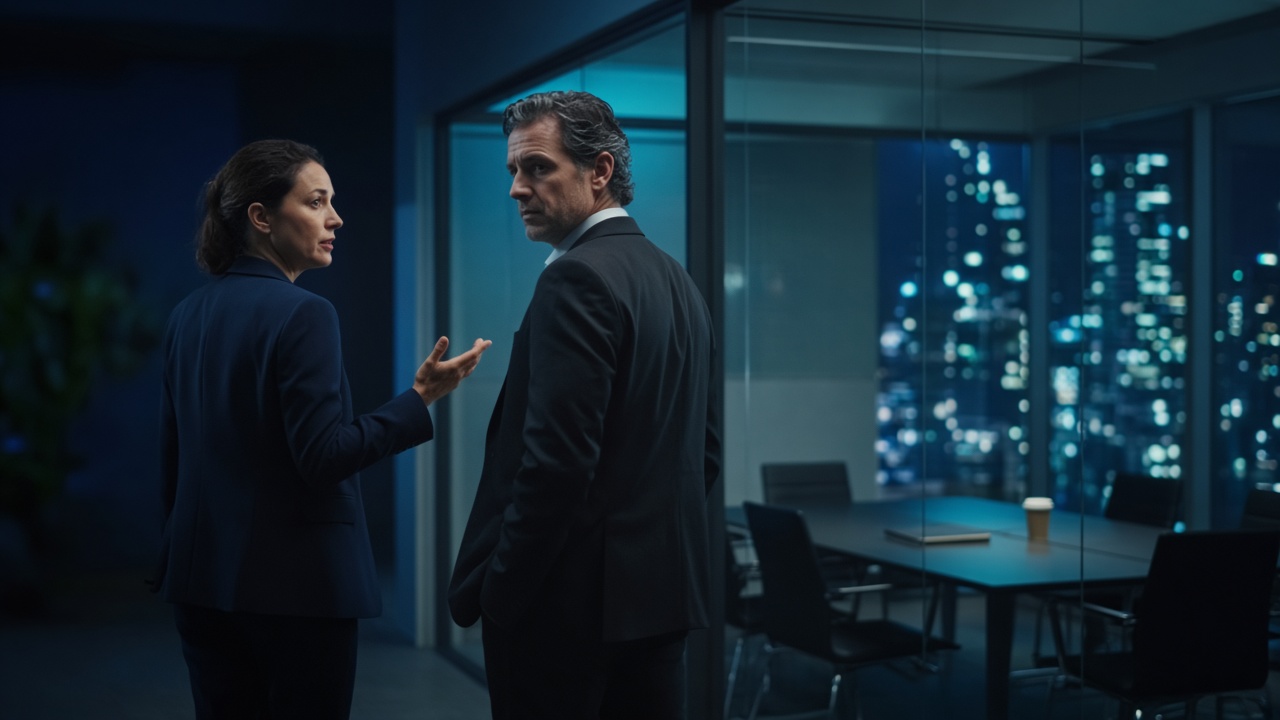
The one that goes perfectly. The client leans in. Someone says, "This is exactly what we need." You walk out together, still talking, and you're already planning the kick-off in your head.
Then you say the sentence nearly every consultancy says.
"Leave it with us. We'll come back with our findings and a proposal in a couple of weeks."
Three weeks later, you send it. And then you wait.
Sometimes it works out. Often, it doesn't. Not with a no. Just with nothing. A polite "we're reviewing internally". A meeting that keeps moving. An email that never comes.
When I first moved to Dubai and started my first business, I had around 50 proposals out on the table.
I was ghosted by every single one.
It was brutal. And honestly, really humbling.
But it taught me something fast. We make a lot of assumptions from a 30-minute intro call. By the second meeting, we're already in pitch mode, before we've really taken the time to understand the company's pains and challenges.
And on the other side of the table, founders and CEOs are wading through endless sales messages and calls, trying to work out who's actually worth being honest and open with.
It's a double-edged sword. We don't know them well enough to get it right. And they don't trust us enough yet to tell us.
Since then, I've come to believe something simple.
Momentum has a half-life. And most firms spend it writing the proposal.
How B2B buying has changed
Most of the buying now happens without you in the room.
Gartner research found that when B2B buyers are working through a purchase, they spend only 17% of that time meeting potential suppliers. If they're comparing several firms, any one of them may get just 5% or 6%.
The rest is the client talking among themselves. Reading. Comparing. Working out what the problem actually is.
And there are more of them than you think. Gartner puts the median buying group for a complex purchase at six to ten decision makers. Each has their own view, their own information, and their own reason to say "not yet".
So when you leave that great meeting, you haven't won anything yet. You've convinced one or two people. The real decision is about to happen without you.
Why so many deals end in no decision
This is the part most firms don't see.
Matt Dixon and Ted McKenna studied more than 2.5 million recorded sales conversations for their book The JOLT Effect. They found that somewhere between 40% and 60% of deals are lost to the customer doing nothing. Not to a competitor. To no decision at all.
That's not a pricing problem. It's a momentum problem.
Think about what happens in the weeks after a good meeting:
- Your champion goes back to a full diary and a dozen other priorities.
- The CFO, who wasn't in the room, starts asking questions nobody can answer yet.
- Someone on the committee quietly decides this isn't the right quarter.
- Another firm turns up with something in hand.
Meanwhile, you're writing. Follow-up interviews. Notes to pull together. A deck to build, usually late at night. It's often unpaid work too, which I've written about in the hidden cost of unbillable discovery.
You're working incredibly hard. But from the client's side, it's gone quiet.
Three reasons consulting deals stall
1. You leave with one person's view.
The meeting felt great because the person in it agreed with you. But they're one voice out of six, eight or ten. Your proposal is built on what one or two people told you. Then it lands with a committee that sees the problem completely differently.
That's not a bad proposal. It's a proposal for the wrong problem.
2. You go away to think, and they stop thinking about you.
The gap between the meeting and the proposal feels like work time to you. To the client, it's dead time. Every day you're away, the energy from that meeting fades a little more.
3. The proposal is your story, not their numbers.
Most proposals are a firm's view of the client, written by the firm. However good it is, the client can argue with it. Debate it. Park it.
Clients don't argue with their own answers.
A survey of 350 business buyers by Adience, reported in December 2025, found that 30% had been asked poor or repetitive discovery questions by vendors.
I'm not surprised. Too often, clients answer the same questions twice, then wait weeks for a deck that tells them what they already said.
How to keep momentum after a client meeting
The consultancies that keep momentum have changed the order of things.
They start the diagnosis before they leave the room. Instead of "leave it with us", they send a short, structured assessment to the client team that week. Each person answers in about fifteen minutes, and it's built on the firm's own method. Here's how to turn your framework into one.
They hear from everyone, early. Every decision maker answers the same questions, not just the champion. So the CFO's concerns show up on day three, not week six.
They share findings in days, not weeks. A scored picture of where the client stands, back in front of them while the meeting is still fresh.
They build the proposal on the client's own answers. When the gaps are in the client's words, the proposal stops being a pitch. It becomes the obvious next step.
There's a name for the kind of lead this creates. We call it an AQL, an assessment qualified lead. It's someone who has already told you where they're strong, where they're stuck, and what they'd fix first, and who is holding a report with your name on it.
Leads like that don't go cold. They're already moving.
Where Score-AI fits
This is exactly why we built Score-AI.
It turns your firm's method into a branded assessment you can send straight after a meeting. Every stakeholder answers through a simple link, with no logins. You get a scored, benchmarked report that shows where they agree and, more importantly, where they don't.
So the next time you walk out of a great meeting, you don't have to say "give us a couple of weeks".
You can say, "Your team will have something from us by Friday."
Where are your deals losing momentum?
If any of this feels familiar, start with your own firm.
We've built a short scorecard for consultancy leaders: the Deal Momentum Scorecard. It takes about five minutes. It shows where your deals win, where they stall and where they lose speed, with practical next steps to turn more good meetings into signed work.
Take the Deal Momentum Scorecard
Frequently asked questions
Why do consulting deals stall after a good meeting?
Usually because the decision moves to a wider group the firm hasn't spoken to, while the firm goes quiet to write the proposal. The energy from the meeting fades, and other priorities take over.
What does "no decision" mean in sales?
It's when a deal doesn't go to a competitor. The client simply doesn't move forward. Research by Matt Dixon and Ted McKenna suggests this happens in 40% to 60% of deals.
How many people are involved in a B2B buying decision?
For a complex purchase, Gartner puts the median buying group at six to ten decision makers, each with their own view of the problem.
How can consultancies shorten the time from meeting to proposal?
Start the diagnosis straight after the first meeting with a short assessment sent to every stakeholder. Share scored findings within days, and build the proposal on the client's own answers.
Sources
- Gartner, 2017 Digital B2B Buyer Survey, in "How B2B Sales Reps Maximize Customer Interactions" and "Win More B2B Sales Deals"
- Matthew Dixon and Ted McKenna, "Stop Losing Sales to Customer Indecision", Harvard Business Review, June 2022, on the research behind The JOLT Effect
- Adience survey of 350 B2B buyers, reported by CMO Tech, "B2B buyers rebel against 'discovery theatre' sales", 17 December 2025

Data-obsessed marketing leader. Ex-NetApp Head of EMEA and LATAM Marketing. 7 years at SAP Fieldglass. Certified coach.
Connect on LinkedIn